menus

slider

Showing posts with label Health. Show all posts

Sunday, 7 August 2016

THE BASICS OF SKIN CANCER

There was once a time, when cancer was a disease that was considered rare and something that was almost unheard of, for most people. Today, the doctors encounter a growing number of people who are being affected by the same. What is alarming is that there are so many types of cancers these days and that many times detecting them becomes a tough task.
One of the most common types of cancer encountered these days is skin cancer, and in most cases, the reason behind the same is that people are not taking care of themselves and are not being sun safe. What is important to remember is that if the skin cancer is detected well in time, it can be treated and even cured.
What is skin cancer?
When there is an uncontrolled growth of skin cells that are not normal, it is known as skin cancer. This type of cancer occurs when DNA of skin cells get damaged and has not been repaired. This leads to mutation, genetic defects and could also lead to tumours and malignancy.
Why skin cancer needs to be treated immediately:
If the condition is detected in its initial stages, it is relatively easy to treat the cancer and to even eradicate it completely. In addition, early detection will also ensure that the condition does not spread to other parts of the body.
In order to receive early treatment, it is important that you learn how to examine your skin, which in turn will ensure that you are able to detect the condition, well in advance.
What are the types of cancers?
In order to treat skin cancer, figuring out the type of cancer is the most crucial step of all. There are actually three types of skin cancers:
Basal cell carcinoma (BCC): This is perhaps the most common type of skin cancer and is actually much more frequent, as compared to the other types of skin cancers. This type of cancer arises from the basal cells, which are actually present in the deepest layers of the epidermis. The initial presentation might be in the form of a bump or sore, that does not heal. It could also present in the form of a patch of skin, which is red and irritated. Most of the times, the areas of the skin that are constantly exposed to sunlight, such as face, ears and scalp are affected by basal cell carcinoma. If the condition is diagnosed well in time, treating and curing it, is possible.
Squamous cell carcinoma (SCC): Initiating in the squamous cells, this type of cancer too infests in the epidermis. The condition may present itself in the form of skin crusting or scaling. The area could become red and inflamed and there could be bumps, which do not heal. While the condition is seen most commonly in areas which are constantly exposed to sunlight, it could actually manifest itself in any part of the body. With early treatment, the condition can be stopped from spreading.
Melanoma: This is the most dangerous type of skin cancer arising from the pigmented skin cells. If the condition is not diagnosed well within time, it could lead to death; however, this type of cancer can be treated and cured with minor surgeries. But if the melanoma starts to spread within the body, then curing it can be quite the tough task.
What are the main treatments for skin cancer:
If the condition has been detected well within time, there are certain procedures and treatments, which can cure the cancer. Some of the most commonly used procedures include:
Wide local excision - The tumour is removed using surgery, and a small portion of the tissues, surrounding the tumour is also removed.
Mohs surgery - The skin cancer is removed in a very precise manner
Cryosurgery - The tumour is destroyed using cold treatment
Laser surgery - The cancer cells are vaporized using laser
Curettage and Desiccation - The skin cancer is removed via methods such as scraping and cauterization
Topical chemotherapy - Prescribed medications, in the form of lotion or creams, will have to be applied on the skin, where the cancer has manifested itself
Laser treatments for pre-cancerous growths - A laser is used to remove the skin conditions that could eventually develop into skin cancer
Photodynamic therapy for pre-cancerous growths - Special medications, known as photosensitizing agents, are combined with light therapy and these are utilised for the eradication the defective cells.
What are the main dos and don'ts?
Here are the things that you should do:
· Try to minimise the time you spend in the sun, especially between 10 in the morning and 2 in the afternoon, which is when the rays of the sun are the strongest.
· Wear clothing that will offer protection against the sun, including sunglasses and hats with wide brims
· Make sure that you use sunscreen on a regular basis, and pick one that will offer you protection against UVA as well as UVB.
· Avoid artificial tans, tanning beds and tanning devices as much as possible.
· Learn how to recognised the ABCDEs of skin cancer lesions:
A: Asymmetry
B: Border irregularity
C: Colour variability
D: Diameter increase
E: Evolving nature
· If you notice any skin lesions or moles, then it would be best that you visit a dermatologist immediately.
Here are the things you should avoid doing:
· If you notice any signs of skin cancer, do not ignore them, and make sure that you have them screened by a doctor.
· Rather than going to a general practitioner, it would make sense to meet a dermatologist, because they would be able to offer better advice.
· If the condition is diagnosed as skin cancer, do not shy away from asking questions and further treatment.


Article Source: http://EzineArticles.com/9333954

Friday, 22 July 2016

THE UNBELIEVABLE POWER OF YOUR SUBCONSCIOUS MIND

Have you ever wished to become a millionaire? Or, perhaps you wish to discover true love and happiness? Have you ever thought about looking into your subconscious mind for the answer? Yes, the human mind is a home to our greatest treasures and those that discover the ability to harness the power of the mind will learn there is nothing they cannot achieve.

Of course, there are some that have totally dismissed the concept of mind power and see believers as gullible or easily led. But, scientific studies also show that what and how we think creates our reality.

Scientists have also noted that what we believe to be reality is really nothing more than a mere manifestation of your subconscious mind. It will go without reason that those that venture into their own minds so they can control to shape their realities.

To find the success you want, you need to reshape how you think: retraining negative thoughts, feelings, and emotions with positivity and faith in yourself. Even your nightly dreams and imagination need to reflect more positivity to help you get what you desire.

The basics reasoning behind mind power is that we shape our realities through a cause and effect relationship. If you believe in the power of making suggestions to your subconscious mind and tell it what you want, you will get it. Otherwise, you will keep on drifting on just as you are.

For your mind to work with maximum power, you will need to focus on improving your subconscious mind. Positive affirmations are among the best way to bring about a change in your thinking.

The employment of affirmations can help. This involves making very basic, simple statements in your mind throughout the day. This is done to eliminate a number of negative thoughts and sorrowful feelings. This will greatly aid in increasing your confidence and allow you to learn to trust the power of your mental thought process. Affirmations can center on any issue you are dealing with and it will give you the encouragement to lose weight, eliminate an addiction, or chanting that you will find true love.

But, you cannot just invest all your time in visualizing your dreams; you need to make steps to ensure they come true.

Once you close your eyes and look inwards towards the results that you desire. You need to imagine yourself losing weight or amassing the money needed to purchase a new home. Yes, you can allow your imagination to go a little wild. You can feel those sensations and accomplish your goals as if they were really happening.

You can bring about these visualizations into your real life through getting creative. You may write down the way it feels to accomplish your desired goal. Why not make a scrapbook to encourage yourself as well? You can fill the scrapbook with pictures of the new car you wish to purchase or the dream wedding you would prefer to afford.

By changing the way you see reality and shaping your subconscious mind, you can also unlock supernatural talents. Psychics who can see into the future or past, people with telekinesis and those with other supernatural abilities are not born with a talent you don’t have. They have just learned how to use their full potential and unlock the talents buried within the subconscious mind.

With the positivity of mind power, you become the director in your own life instead of a passive player. Your subconscious mind can even be the secret to living a healthy life free from disease since many of our physical ailments actually start in the brain. Brainwave synchronization or audios that tune your brainwaves to a specific frequency can also help improve self-esteem and the ability to think positively.

The author Martin J Church writes for the http://www.mindpower-info.com website. Anyone can easily develop their powers of subconscious mind power and you can try it yourself when you find out the real undisclosed secrets of your subconscious mind when you visit here and get 29 Free mp3 audio recordings.

Source: http://latestarticles.net/home-and-family/religion/the-unbelievable-power-of-your-subconscious-mind/

Sunday, 26 June 2016

USING TURMERIC TO PREVENT CERVICAL CANCER

Even with the extensive research efforts across the world on the most effective remedy for cervical cancer today, the total number of diagnosed women and hence deaths are on a gradual rise. From awareness campaigns catapulted by the need to keep the death numbers low to the vast amounts of funds injected into the cause, little progress if any, has been reported. However, synonymous with any global malady, there have been unlimited reports of unconfirmed discoveries on the best preventive measure against cervical cancer. It's only time to confirm if these efforts will bore any useful fruits, however.
Cervical cancer is a traditional type of cancer that develops in the cervix but will remain with no observable signs till when it has metastasized. Typically common among the adult female population, it is known to spread slowly, and recent data suggest that among every three women in the US, one has been diagnosed with it. This makes it among the leading killer diseases in the world today. However, with early detection as well as proper prevention, any would-be victim can easily escape this condition.
Although there has been a myriad of probable preventive as well as curing medicines against cervical cancer worldwide, turmeric stands out among the most used. This wonder herb originating from India is known to contain an active ingredient Circumin that harbors plenty of anti-cancer properties hence the fame. Basing on the American Cancer Society, Circumin remains a multi-modal cervical cancer preventive agent.
The orange-yellow colored turmeric, whether raw or powdered effectively works against a number of common ailments. Of much focus, however, is against cervical cancer whereby circumin inhibits further growth and division of the cancer cells from the cervix.
Several laboratory trial procedures suggest that it stands to limit enzyme COX-2. The enzyme COX-2 is very lethal, often leading to cancer by causing negative inflammation in the affected region. Additionally, turmeric usage helps cut the supply of oxygen and energy to these malignant cells via circumin. When they lack oxygen and energy to eat away the affected part of the cervix, they will gradually decline due to apoptosis.
Circumin also induces a gene that suppresses the growth of cancer tumors and tumor paths on the cervix in addition to preventing any cell division in the cancer stem cells. Cancer cells frequently spread slowly and unnoticeably, a factor that circumin successfully stops too, thereby successfully helping prevent and cure this harmful disease.
Through these researches and analyzes across different medical facilities globally, it was crystal clear that circumin typically know to differentiate between malignant cells and normal bodily cells. Furthermore, while, in the food it's absorbed into the bloodstream like the conventional nutrients and mineral salts, rather via the colon.
Aside from simply being a spice, therefore, turmeric leaves marvelous results on your body. With a little of this curry in your everyday diet, I can work well eliminating not only cervical cancer but regular maladies including several other cancer types and common health conditions.
Preparing turmeric based foods can be easy as it can be incorporated into any food including egg salads, soup, meat pieces and even as a seasoning. It is a fact that it has been not only an ingredient in many households years gone by but also an excellent form of treatment across Asia up to ancient China.
This wonder herb can be easily obtained in any food store today and is often sourced in the form of powder, presenting no reason whatsoever to counter any signs of cancer. Additionally, innovative health gurus have successfully come up with a variety of turmeric-based health creams and gels to be applied on the virginal area. It's, therefore, real to report that turmeric and thus circumin presents a significant step in the fight for a long term solution to any form of cancer, especially virginal cancer.


Article Source: http://EzineArticles.com/9409196

Monday, 13 June 2016

BACK PAIN CAUSES AND TREATMENTS

Pain Between the Shoulder Blades: Should I Worry?

Many who experience upper back pain (between the shoulder blades) think that they’re suffering from a common, harmless problem. They might think that they just slept in the wrong position or they’ve just been working out too much, that the problem is merely muscular and will heal itself. Even though it is possible that this pain stems from bad posture and/or excessive movement, there’s also a chance that it's a sign of a life-threatening disease so, instead of dismissing the pain, it’s much wiser to spend a little time doing research.
The pain in your upper back might be just a strained muscle, but it might be something more. Below, you'll find many other common causes for back pain between the shoulder blades.

Upper Back Pain: A Spinal Dilemma

Upper back pain between shoulder blades can be due to a number of possible issues. Although in most cases, muscular irritation is the culprit. Depending on the symptoms of the pain between shoulder blades, however, it can be the effect of something more serious; particularly, pain in the upper back could be related to spinal issues.
These cases, however, are very rare. Three major parts form the spine; the cervical spine or the neck, the thoracic spine which holds the middle-back portion of the body, and lastly, the lumbar spine which is located from the waist down. Most of the upper body's mobility is focused on the cervical and lumbar spine -- they can be moved from left to right, and angled to the front and to the back. Motion in the thoracic spine, on the other hand, is limited. Because this part of the spine holds the most vital organs of the body, its main function is to shield and protect. Restricted mobility happens to be a great advantage because this prevents injury and degeneration.
When problems do occur, however, you may encounter one of the following medical conditions:
Swollen facet joints can produce aches in the upper back. The spine’s flexibility is provided by these joints: in other words, they’re necessary to carry out many kinds of movement (turns and bends are just a few examples). As with any other part of the body, facet joints aren’t invincible. If used far too hard or too often, they end up damaged and swollen and of course, swelling leads to soreness.
How do facet joints get swollen? It all begins in the gaps of the vertebra. These gaps are occupied by cartilages, which is lubricated by synovial fluid to protect it from wear and tear.
Now, imagine a crunchy toast sandwich with a layer of really thick cheese in the middle. Think of the toasts as the vertebra, and the cheese as the intervertebral discs (composed of the cartilage and synovial fluid). When the sandwich is pressed on one side, the cheese will prevent the toasts from touching each other. The same happens when the spine angles and curves.
Due to a number of possible reasons like ageing, injury, and too much pressure, the intervertebral discs lose its thickness and springiness, narrowing the gap between the vertebrae and facet joints. If you repeat the process of pressing the sandwich on one side, the toasts will touch and grind against each other. Imagine the corners of the crunchy slices as the spine's facet joints, with the bits falling from the abrasion. Just the mere thought of it sends pain between shoulder blades.
The pressure and scraping will then develop what's called bone spurs. These are source of the swelling, and it can grow larger, and of course, more painful, if left unattended.
The same thing happens in other joints. In fact, this kind of condition is more common on the knees being the most mobile part of the body, and one that carries the most weight. This is generally known as arthritis. If the swelling happens on your spine, on the other hand, it is more accurately called as osteoarthritis.
If this sounded bad enough, however, the next medical issue will seem like a nightmare. Interestingly, although many professionals view this second condition as separate from the first, this can actually be the result or the effect of a swollen facet joint.
A herniated disc is another problem that can prove to be extremely painful. Spinal discs are rubbery pads between the vertebrae in the spinal column that work like shock absorbers. In childhood, the discs are gel-filled, but they begin to solidify as we get older. By middle age, the disks become as inflexible as hard rubber and more prone to injury. With injury or stress, a disc's inner material may swell outward, pushing through the outer shell, pressing against surrounding nerves, and rendering that area more prone to injury.
Swollen joints and herniated disks cause pain. However, the pain caused by the latter tends to spread discomfort along the arms as well and may be accompanied by numbness.
Depending on where along the spine a herniated disc occurs, different symptoms and numbness will be felt.
Should the affected intervertebral disc be somewhere in the lumbar region, the nerves connecting the spine to the lower body will be pressed and pressured by the leaking or swelling. This, in turn, will cause the numbness, tingling, or pain on the legs.
On the other hand, should this condition happen along the cervical region, pain and numbness will crawl from the shoulders down to the arms. In worse cases, the patient will show neurological symptoms.
When it comes to thoracic herniated discs, however, there will be upper back pain between shoulder blades, which can radiate to the upper chest and belly. Luckily, this herniation is rare because of the thoracic spine's restricted mobility.
The last and worst is the herniation towards the spinal cord. When this vital part of the spine is pressed, it causes myelopoathy or spinal dysfunction. Should this form of herniation be at its worst, the patient's entire lower body will not function entirely. Milder effects include loss of balance, weakness in the lower extremities, and bladder control loss.

Sharp Pain in Back: A Bile Problem?

The human body moves in mysterious ways, especially to non-experts. When back pain between shoulder blades isexperienced, it's only logical to assume the problem is within the area. There are instances, however, when the issue is rooted deeper within the body. And unexpectedly, it involves the flow of bile.
Biliary colic is another medical issue that might cause back pain and shouldn't be taken lightly. This is a type of pain that occurs when a gallstone blocks a bile duct and causes a sharp upper back or rib pain that radiates to the right shoulder. It may manifest after ingesting a fatty meal in an episode of sharp, intense soreness that starts near the abdomen and branches out to the upper-back region and may be accompanied by nausea and vomiting.
Bile liquid is made in the liver then stored in the gallbladder. It's primary purpose is to digest and break down fats entering the body. Therefore, food enters the body, bile will automatically travel from the gallbladder via the cystic duct to the small intestine to continue the food's digestion.
This simple process can be interrupted by gallstones. These small but highly irritating nuisances block the cystic duct, making it difficult, if not impossible, for the bile to pass through. The body will respond to this problem by continuously contracting the muscles cells of the duct to remove the gallstone. This vigorous contraction causes the pain between shoulder blades. Other conditions, however, may cause biliary colic, such as tumors and strictures along the bile duct.

Back Pain: What to Do

Initially, you need to make sure your back pain between shoulder blades is not caused by simple conditions like muscle strains due to poor standing and sitting positions, faulty executions of physical activities, and excessive weightlifting. Of course, other causes include ageing and constricted ligaments. These issues can be alleviated by simple massages or a change of habits. If it persists, however, then it may be time to consider the above mentioned and more serious conditions as the main problem.
Upon becoming aware of facet joint issues, spinal disc troubles, and bile-related problems, you may be wondering whether there’s a guide to how to distinguish these three from one another. You may also want to know if there’s a simple what-to-do guide to follow when you feel pain.
There’s no need to worry about finding those things since they’re all here. Use this list to help you determine your source of pain and course of action:
Is it a brief, mild ache? If so, this could indicate mere muscle strain, but it might also be either swollen facet joints or herniated discs. Experiencing this kind of soreness is a nuisance at best. Doing all sorts of chores and completing all kinds of office work should still be possible, but even the mildest pains could turn into more serious issues if proper actions aren’t taken. That’s why these steps are important to remember:
  • Rest for a while and see whether the pain subsides.
  • If the aching stops, consider these suggestions:
  • Do some stretches before engaging in any more physical activity. This may seem ridiculous for some, because the thought of moving their aching backs will only cause more discomfort, thus preventing them from performing their tasks. Understand, however, that the spine along with the ligaments and muscles around it are designed to move. Keeping it idle will only prolong the back pain. What's needed to be done is to warm the body up before doing anything extensive, and slow and simple stretches will do the trick:
    • Back Flexion Exercise. With your back laying flat on a yoga mat, or anything that will prevent you from touching the cold floor, slowly pull your knees to the chest, as you flex your head forward at the same time. There’s no need to force yourself into this balled-up position. Keeping a comfortable stretch is more important. Go back to your starting position in a slow release of the stretch.
    • Knee to Chest Stretch. Again, lie on the floor. Bend your knee while keeping the heels rooted. Hold the back of one knee with both hands, then slowly bring it toward the chest. As previously stated, it’s more important to keep the stretch comfortable. There’s no need to push yourself to complete the extent of the exercise.
  • Consider exercising (opt for routines that benefit the upper back). If lifting heavy objects is a regular part of your day, then keeping a strong back is essential, and there’s no other way to build it but through regular exercise. Not only will this relieve pain between shoulder blades but also prevent it from coming back. There are several back strengthening calisthenics, and these can be classified to the three major parts of the back; upper, mid, and lower back.
    • Upper Back Exercises: Push-ups, and dips -- this will benefit your arms more, but it will also indirectly strengthen your shoulders and the muscles between.
    • Mid-back Exercises. Pull-ups and chin-ups -- basically, all the mentioned exercises will benefit the back, what made these two special is how they build the lateral muscles.
    • Lower-back Exercises. Sit-ups, lying leg raises, pilates bridge, floor hyper extensions, and back hyper extensions.
  • Don't move suddenly and quickly to avoid additional strain.
  • Exert effort to correct common posture problems. There’s no other way to achieve this than by being mindful of your posture. If you don't know what a correct posture is, put a book on your head and avoid it from falling off when you stand and walk. A perfectly straight back and angled head will prevent it from sliding off, thus if it still does, you need to keep working on your posture.
  • Follow the above suggestions for two weeks to a month and observe if the pain between shoulder blades subsides. If your problem is a simple muscle strain, your back's condition would have greatly improved. Otherwise, continuous observation should be made, and the following additional questions should be considered.
Would you describe the pain as long and moderate? If so, this could indicate the presence of either one of the two issues previously mentioned, swollen facet joints or herniated discs. In this case though, medical attention might be necessary. Moderate pain that stays for half an hour (or more) sometimes means that the ache-causing concern has worsened. If the pain gets worse, doctors will have to use certain imaging technologies (such as X-Ray for facet joints and MRI for herniated discs) to determine the extent of the damage.
Is the pain intense and accompanied by numbness? If the episodes of soreness are almost unbearable and there are instances in which certain parts of your body feel numb (or in some cases, tingling), then it’s definitely time to pay a visit to your physician. Together, such symptoms are considered a telltale sign of serious spinal disc dilemmas. If left unchecked, a severely herniated disc could even cause paralysis or permanent nerve damage.
Is your noticeable pain accompanied by nausea? Periods of upper back pain between the shoulder blades that are accompanied by nausea are indicative of biliary colic. In fact, some medical experts suggest that it’s best to immediately call for an ambulance if this combination of symptoms manifest. Also, those who’ve been suffering from aches after they’ve eaten (another warning sign) should really be wary of these simultaneous symptoms.

Solutions and Treatments for Pain Between the Shoulders

So clearly, upper back pain (between the shoulder blades) may be just muscle strain, but it may also be linked to several health problems, medical issues which aren’t equally dangerous–some causing only temporary discomfort while others that might prove to be fatal if left untreated. Well, each of these issues is also solved (or at the very least, managed) in different ways, as well.
  • Swollen Facet Joints. As discussed above, the mildest joint troubles could be prevented from becoming worse through fairly simple techniques, such as maintaining proper posture and avoiding sudden movement. If more severe, the condition might require the aid of a physical therapist to help with strength and flexibility. Individuals suffering from more serious cases of facet joint concerns are given these options:
    • To undergo a procedure called "nerve blocking" so that the soreness would immediately subside. People wondering what’s done during the procedure would most likely end up shocked after realizing that steroid injections are involved.
    • If surgery is not a preferred method, a number of other treatments can still be opted for by patients.
      • Proper exercise -- This, of course, should be according to a physical therapist’s instructions. The results from this method will, however, take longer to surface. Pain between shoulder blades will remain for a couple of weeks, but if the patient is mindful enough of his body, he will notice the slight decrease of aches after every session.
      • Warm or presses (heat wraps and cold pad applications, for example) –This can alleviate episodes pain.
      • Alteration of daily activities– You need to reduce physically exhausting routines like long commutes, or increase times of rest breaks.
    • To take painkillers and muscle relaxants on a regular basis. While minor cases of the spinal problem can be effectively handled using over-the-counter medication, the condition’s more alarming variants require powerful prescription drugs.
  • Herniated Discs. Treatments for this medical issue are similar to the ones developed for swollen facet joints. Doing spine-enhancing exercises and being mindful of the body’s position are more than enough to solve the concerns faced by people with minor disk hernia. Sometimes, anti-inflammatory injections and pain medications are added into the mix. Surgery is only reserved for very severe cases. After all, it’s the solution that comes with the most risks.
    Know, however, that a single combination of conservative treatments does not work for all. Patients will have to undergo a process of trial and error to know what will be effective for their condition. For instance, physical therapy may not work as good as pain relief for some.
    Should the person undergo surgery, the process will not exempt him from undergoing physical therapy and learning proper lifting techniques and such. This is a part of recovery that will help prevent the development of another herniated disc.
  • Biliary Colic. People who develop this disease undergo a treatment process that takes advantage of four different types of medication. In particular, they’re asked to take NSAIDs, antibiotics, spasm fighters, and anti-nausea pills. Aside from that, they’re also told to pick among the many ways of cleansing the gallbladder and the bile duct. Well, only one of those methods isn’t surgical in nature – oral dissolution therapy (unlike surgery-type solutions, it doesn’t work fast).
    If a health professional confirms that gallstones are the cause of your biliary colic, then you can opt for natural remedies to alleviate the pain and dissolve the stones altogether. Like with oral dissolution therapy, however, it won’t work as fast, and this means, the sharp upper back pain between shoulder blades will stay for a while. These remedies involve the ingestion or herbs such as ginger, cascara sagrada, and homeopathic cheledonium. Before proceeding with these treatments, however, you should still consult with a professional.
    Furthermore, there is no better pain relief and prevention than to avoid fatty meals. As explained earlier, bile is essential in digesting fats. If no fat is entering the body, then there wouldn’t be a need for the liquid to pass through the bile duct, thus saving you from the pain that comes with biliary colic.

Do the Right Thing

Soreness in the upper-back region (particularly between the shoulders) shouldn't always be dismissed as a minor problem. In some instances, the aching sensation is a sign of spinal degradation. In others, it indicates the emergence of a dangerous digestive system disease.
People who’ve been experiencing chronic upper back pain (between shoulder blades) shouldn't wait until their health worsens before consulting their doctor.
Serious medical issues that concerns upper back pain between shoulder blades have been enumerated and explained above, along with symptoms and treatments. If your back pain happens to be caused by simple muscle strains, this does not exempt you from the possibility of acquiring the more serious ones. Do not wait for these issues to develop. Prevention remains better than cure, thus you need to establish habits that will save you from these pains.
Preventive Measures forSharp Upper Back Pain Between Shoulder Blades:
Tip 1: Correct Diet
The food you eat has a lot to do with your overall health. But what’s important in the preventive stages is to moderate your food intake. You can still eat whatever food you like -- nothing is prohibited -- but avoid eating too much of one thing.
Tip 2: Regular Exercise
Exercise will not only develop back strength, it will also 1) reinforce the joints of your spine, keeping your intervertebral discs healthy, and 2) help your body utilize the fats and protein that comes along with the food you eat, which prevents the development of osteoarthritis.
This sums up everything needed to know about upper back pain between shoulder blades. Both minor and major causes are discussed to give a wider reference. Proper evaluation of the condition, after all, is necessary to provide the exact set of treatments. What’s important to remember is that when it comes to back pains, it is essential to not take the problem lightly, because it could just be the fruit of something serious that can later on cause irreversible damages on the body.
Before making assumptions however, it is still best to seek the opinion of a health professional. They can give a better evaluation of your condition and provide the proper treatments for your back pain.
Search : http://hubpages.com/health/Sharp-Upper-Back-Pain-between-Shoulder-Blades-A-Must-Read-Primer

Wednesday, 1 June 2016

HOW TO WHITEN YOUR TEETH NATURALLY AT HOME


Beautiful natural whitened teethWhitening Your Teeth

Trying to whiten your teeth can be a hassle. Getting your teeth whitened professionally can be expensive and sometimes damaging to your teeth. The whitening kits at the stores can be expensive as well and you never know which ones really work. The problem with most whitening techniques is that they can cause damage to the enamel making your teeth weak and sensitive. Luckily there are lots of ways you can whiten your teeth naturally at home. These methods are inexpensive and are safe to use. Another thing that is great about these methods is that they don't take much time and you can use them more often than professional whitening kits.

Using Strawberries

Fresh strawberries

Strawberries have natural whitening qualities. They contain malic acid which is great for removing stains. There are a few different ways you can use strawberries to whiten your teeth a few of them are listed below.
Strawberry Rub
  • Take one strawberry
  • Cut the strawberry in half
  • Rub one half of the strawberry across your teeth
  • Leave on for 5 to 10 minutes
  • Brush your teeth with toothpaste as usual
This is the perfect thing to do to whiten your teeth and you are short on time or money. This is something you can use once or twice a week depending on your preference.
Strawberries and Baking Soda
  • Mash up one or two strawberries
  • Use the strawberry juice to brush your teeth
  • Wait five minutes
  • Mix a tablespoon of baking soda with water to get a toothpaste like consistency
  • Brush your teeth with the baking soda mixture
  • Rinse the your mouth with warm water
  • Brush teeth with tooth paste as usual
This method takes more time but is very effective. The combination of the strawberries and baking soda works wonders when it comes to whitening your teeth. Mixing the two ingredients however does not get the same results. The best results are from using one then the other.

Using Walnut Tree Bark

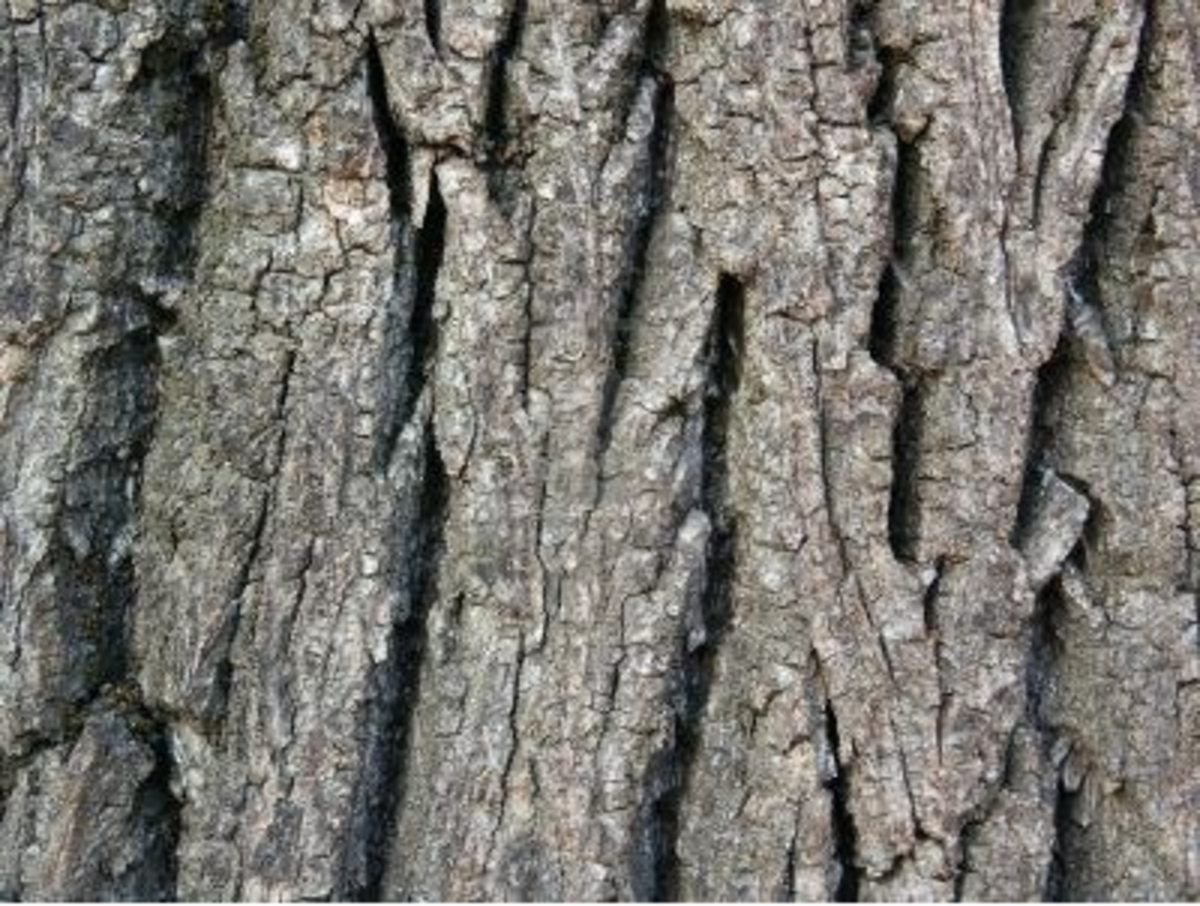
Using walnut tree bark to whiten your teethThis bark removes stains visibly when used. It is not the best tasting remedy but the results are worth is. Walnut tree bark can be found on walnut trees and some health food stores but be easily found online. How to use the walnut tree bark is listed below.
Walnut bark rub
  • Take a small piece of bark
  • Gently rub the bark on your teeth
  • Avoid rubbing your gums or rubbing to roughly
  • Brush your teeth as usual after 5 to 10 minutes

Using Orange Peels and Bay Leaves

Oranges
Orange peels and bay leaves together make a great at home teeth whitener. They are inexpensive and may already be in your kitchen. This only takes minutes. How to use this method is listed below.
Orange peel and bay leaf rub
  • Peel an orange
  • Take a few pieces of the peel
  • Rub the peel on your teeth
  • Crush up bay leaves until they are a powder
  • Rub the bay leaf powder onto your teeth
  • Leave on for 5 minutes
  • Rinse out your mouth with water
This method is best used once a week. The acidity of the orange peel eats away bacteria and gets rid of stains. The bay leaves soak up the stains and discoloration.

Using Bananas

Bananas
Banana peels are a great for whitening your teeth. They don't cause much damage and are inexpensive. This method is quick and easy taking only five minutes to use. How to use banana peels to whiten your teeth is listed below.
Banana peel rub
  • Peel a banana
  • Take a section of the peel and rub onto your teeth
  • Rub for two to three minutes
  • Then rinse your mouth with warm water
This method can be used once or twice a week.

Apple Cider Vinegar

apple cider vinegar
Apple cider vinegar can be used for many things. One of those things is whitening your teeth. It may not taste that wonderful but it works really well at removing stains. How to use apple cider vinegar to whiten your teeth is listed below.
Apple cider vinegar mouth rinse
  • Pour a small glass of the vinegar
  • Take a gulp without swallowing
  • Swish it around in your mouth like mouth wash
  • Spit out when you are done
  • Rinse your mouth out with warm water
This is best done once a week. The taste can be hard to handle but the results are worth it.
Apple cider vinegar and baking soda
  • In a small bowl mix the vinegar with the baking soda into a mixture that is the consistency of tooth paste
  • Apply the paste to your teeth
  • Leave on for 5 to 10 minutes
  • Rinse mouth out with warm water
  • Then brush teeth regularly

Using Baking Soda

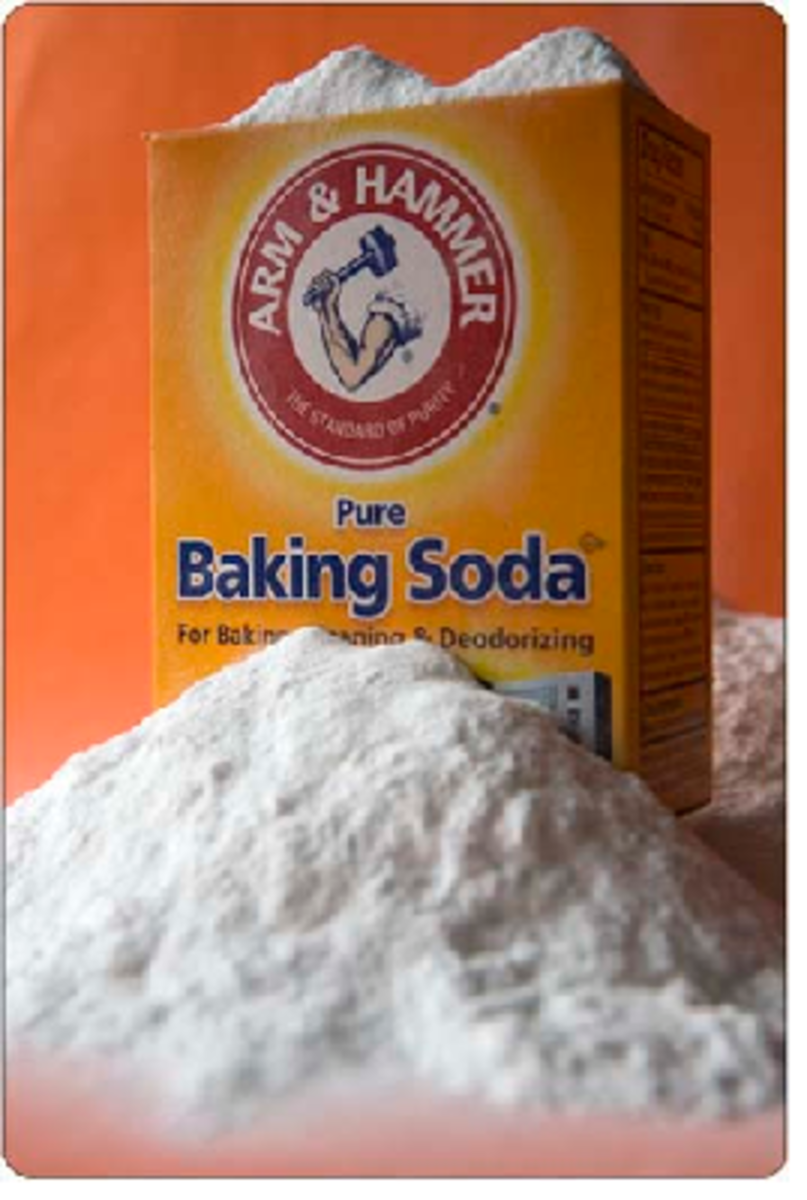
Using baking soda to whiten your teeth
Baking soda is another all natural product that can be used to whiten your teeth. The baking soda is able to be absorbed through the enamel and kills plaque and lightens stains. How to use baking soda in tooth whitening listed below.
Using baking soda as a toothpaste
  • Mix a spoon full of baking soda with a little water
  • The consistency should be that of tooth paste
  • Then brush your teeth with the mixture
  • Try not to swallow any
  • Leave the mixture on your teeth for 10 minutes
  • Then rinse your mouth with warm water
  • Wait another 5 minutes and then brush your teeth with tooth paste ass usual
Mixing baking soda with toothpaste
  • Mix a small amount of toothpaste with some baking soda
  • Brush your teeth as usual
  • Rinse your mouth with warm water
Both of these methods are effective and have been used for a long time. The first method takes longer but has better results and should only used once a week at the most. The second method can be used a couple of times a week and takes less time.

Prevention

Once your teeth are sparkly white you probably want to keep them that way. Using the all natural whitening methods regularly will help to do this but there are some things you can avoid or cut back on to prevent stains altogether.Some of the common culprits of stains are listed below.
  • Coffee
  • Dark tea
  • Dark sodas and soft drinks
  • Dark liquors
  • Cigarettes
  • Drug abuse
  • Tomato sauce
  • Blueberries
  • Citrus fruits
  • Chewing tobacco
  • Some prescribed medications
  • Acid reflux disease
The best way to keep your teeth beautiful and healthy is to brush and floss regularly. This helps prevents stains by removing plaque quickly.
Source: http://hubpages.com/style/How-to-whiten-your-teeth-naturally-at-home

Monday, 30 May 2016

THE UNSEEN CAUSES FOR ITCHY SKIN?


Persistent itchy skin can be a cause of lost sleep and a disruption of daily life.

There Are Numberous Reasons for Itchy Skin

Most of us have experienced itchy skin at some point. For the most part, it occurs in a localised area caused by a small insect bite or other minor irritant. However, persistent and widespread feelings of itching could be a symptom of a serious underlying condition.

What Exactly Is an Itch?

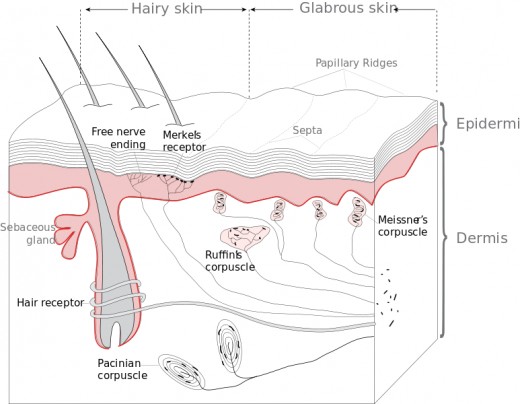
Itching—the medical term is pruritus—starts when an external stimulus alerts your body that some form of defence might be required. The stimulus could be anything from a tiny fibre to a bug, and it sets off a rapid response. In other words, itching results from one of your body's protective features. When something lands on your skin, there might not be an immediate reaction but as the stimulant brushes across your skin, receptors in the dermis of the skin become activated and respond. The split second reaction is in the form of a nerve impulse that goes from the skin receptors to the cerebral cortex in the brain, and a signal is sent back to cause an itch that we then scratch. The receptors involved in the itch response are the same as those involved in pain responses. Therefore, an itch can be viewed as being in a similar category as that of pain.
However, with some illnesses that may be present, other irritants within the body can cause skin to feel itchy. Mostly, these are toxins or other substances that build up due to a medical condition that may be developing. There are also natural life processes that we go through that can also contribute to feelings of itchy skin.
Skin receptors alert the brain to a stimulus brushing the skin, which will lead to an itching sensation.
Skin receptors alert the brain to a stimulus brushing the skin, which will lead to an itching sensation. | Source
Ways to Stop Scratching
Scratching itchy skin can lead to more itching, damage to the skin, pain, and infection. Here are some tips on how to avoid scratching.
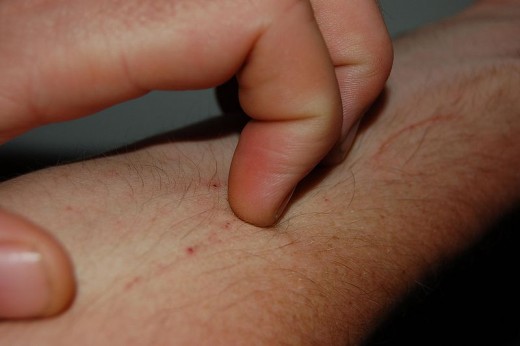
1. When wearing clothes, pinch the skin near to the itch site rather than scratch.
2. Rub or press the area with the palm of your hand.
3. Keep your fingernails short.
4. File your nails. Clipping or cutting can leave ragged edges that tear the skin.
5. Apply a fat-based cream to the itchy skin. This will protect the area if you do scratch.
There are many reasons why our skin becomes itchy, but the cause is not always apparent. There are both environmental and physical factors that will also lead to itchy feelings such as:
  • Age
  • Menopause and pregnancy
  • Medicines
  • Medical conditions, such as liver, kidney, or thyroid problems, diabetes, anemia, or poor circulation.
  • Stress and anxiety
We'll take a brief look at each of these causes and give the main reasons why they may lead to itchy skin.

Age

Elderly people can be very prone to itchy skin. The medical term for this itching is called senile pruritus and can affect the whole body. It isn't clear exactly why this condition develops, but it is thought to relate to hormonal changes, deterioration in skin content, and poorer blood supply to the skin, all of which can result in itching either in a local or widespread area.

Menopause and Pregnancy

Itchy skin can happen on all areas of the body due to the lowering of oestrogen levels. Oestrogen helps the production of body oils and collagen maintenance in the skin. Low collagen and oil production can result in dry and itchy skin.
With pregnancy, there can be a higher risk of itchy skin mainly due to hormonal changes and stretching skin as the baby develops.

Medicines

The painkiller codeine can cause itchiness—which is sometimes intense—in a few people. This is one of the unfortunate side effects. And it isn't the only medicine that could cause this. Check the leaflet of any medicines, bought or prescribed, you are taking. Antibiotics may also cause itching as can all the other opiates and phenothiazines (used for some mental health conditions, severe nausea/vomiting).

Medical Conditions

General itching of the skin can be a sign of a serious underlying condition such as:
  • Liver or kidney disease—in liver disease, itching of the skin is caused by a build-up of opioid peptides both in the skin and blood. When the kidneys are not working well, there is a build up of toxins in the body, which leads to skin irritation similar to that experienced when the liver is diseased.
  • Iron deficiency anaemia—itching skin could be due to a number of metabolic factors.
  • Thyroid problems—dry, itching skin can be a symptom of thyroid gland problems.
  • Diabetes—itchy skin is also a symptom of the early stages of diabetes. It is caused by high glucose levels in the blood.
  • Poor circulation—itchy skin can be a symptom of poor circulation leading to a condition called stasis dermatitis. This can cause intensely itchy skin. According to research carried out by the American Academy of Dermatology, approximately 15 million Americans over the age of 50 have this condition. Slightly more women are affected than men. Statistics from the National Collaborating Centre for Acute Care in the UK reports that around 25,000 people in the UK die each year due to complications from poor circulation conditions. For example, venous stasis can lead to life-threatening situations such as deep venous thrombosis.

Anxiety/Stress

When we are stressed for extended periods of time, the body can have an immune response that can lead to itching skin. High levels of stress activate white blood cells. These cells are always present within the skin, ready to fight off bacteria or other invaders. However, when the body is tense and anxious, these white cells are triggered and become overactive, which can cause itching.
Research carried out at Charite University in Berlin and McMaster University Canada found that high levels of stress both cause pre-existing inflammatory skin conditions to flare up and new skin complaints to develop.

Top tips to ease itchy skin

Tips
1. Take warm or cool showers instead of hot and use moisturiser immediately after.
2. Use moisturising cream at least twice a day.
3. Avoid harsh soaps and detergents for personal hygiene and laundry
4. Wear non itchy fabrics such as cotton
5. There are anti-itch creams you can buy and anti-histamines from a pharmacy

Don't Ignore the Symptoms

It goes without saying that continual itching of your skin shouldn't be ignored particularly if the itch is:
  • Persistent and not relieved by over-the-counter creams or antihistamines. Antihistamines block the effect of histamine, a protein produced by the immune system to help prevent infection. However too much histamine can also cause the skin to become irritated.
  • Severe, particularly if it interferes with sleep and daily routines.
  • Accompanied by a rash.
  • Accompanied by a discoloured are of the skin, which may bleed for no obvious reason.
  • Painful and the area becomes swollen.
The majority of skin itches are not serious and usually have a mundane cause. However, as we have seen, the body can produce such symptoms to warn us that a more serious condition might be involved. If you have any concerns or see any other symptoms, speak to your doctor.
The body is very good at alerting us to situations that might be detrimental to our health. It's up to us to start listening to the signals our bodies are giving us and to act on them.
Source: http://hubpages.com/health/The-most-common-reasons-for-itchy-skin

Friday, 27 May 2016

TREATMENTS FOR A BEE STING BY THE EYE

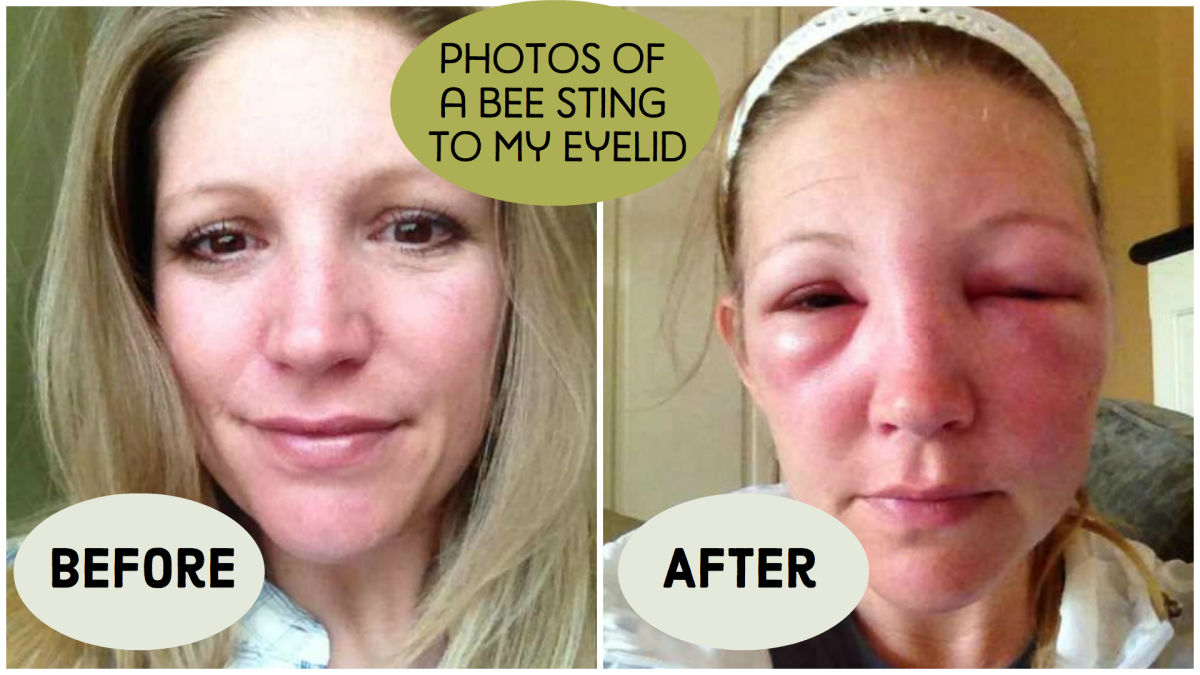
Yes, this is me 24 hours after a bee sting to my eyelid—AND this isn't an allergic reaction.

Normal Reaction or a Bee Sting Allergy?

If you are having any of the following symptoms, immediately call 911 or go to the hospital. You are having an allergic reaction to the bee sting if you are experiencing:
shortness of breath
a difficult time swallowing
swelling in the face, mouth, or throat
a break out of hives
increased heart rate
decrease in blood pressure

What to Do if a Bee Has Stung You in the Eye

Being stung by a bee can be a very scary occurrence; if you are stung in the eye it can be days before you are back to normal. Being a beekeeper, I expect to be stung; it's part of the job. I didn't, however, expect to be stung in the eye.
This article includes:
  • Information on treatments—both home remedies as well as prescriptions.
  • A photo progression chronicling the recovery of my facial swelling from hours after the sting up to six days when I was almost fully recovered.
  • Types of reactions.
  • Information on how long the itching and swelling will last.
  • Prevention.
  • Information on bee biology.

How to Treat a Non-Allergenic Bee Sting: Act Fast!

  1. After a bee stings, a stinger and sac of venom is left behind in your skin. To reduce the amount of venom in your body remove stinger and bag of venom as quickly as possible. You can SCRAPE the stinger and bag of venom out of your skin with a fingernail or other similar object. Do not pull out stinger or squeeze the location as more venom can be released. The longer that you leave in the stinger, the more venom will be left in your body causing swelling and itchiness.
  2. Once the stinger is removed, wash area with soap and water and apply antiseptic and soothing cream like hydrocortisone.
  3. If possible, and if over two years of age and not pregnant, immediately take an antihistamine, e.g., Benadryl, to reduce swelling and itching. (When I was stung on my finger, I had minimal swelling and itching because I took a Benadryl immediately. I did not take a Benadryl shortly after my facial sting because I didn't want to fall asleep. It was a big mistake.)
  4. Apply ice pack to site to reduce swelling and for pain relief.
  5. For additional pain relief, you can take an anti-inflammatory like ibuprofen.

Bee Sting Treatments

Over the Counter
Prescription
Home Remedies for Bee Stings (apply to site of sting)
Soap and water
Dexamethasone (Decadron) a corticosteroid to treat allergy. It decreases your body's natural defense response and reduces symptoms such as swelling and allergic-type reactions
Meat tenderizer and water paste
Antiseptic
Famotide (Pepcid) an H2 Histamine blocker.
Tobacco juice
Hydrocortisone Cream or Calamine Lotion
Hydroxyzine (Atarax) treats itching. Blocks natural substance (histamine) that your body makes during an allergic reaction. Causes drowsiness.
Vinegar
Ice Pack
 
Aloe
Benadryl or other Antihistamine
 
Toothpaste
Ibuprofen
 
Honey
 
 
Baking soda and water paste
 
 
Chewed plantain leaf
 
 
Crushed basil or parsley leaves
These treatments are NOT for those that have severe allergic reactions. For severe allergic reactions, epinephrine will need to be injected to stop the progression of symptoms.
Severe allergic reactions can result in death within minutes of being stung. Having an Epi-Pen on hand if you are allergic to bees is a must. I had a reaction to the sting that was fairly severe, mainly due to the location of the sting on my eyelid. I, however, did NOT have an allergic reaction to the venom. It is very rare for someone to be allergic to bee venom, however, around 50 people a year die from a severe allergic reaction to a bee sting.

Medications I Took After Bee Sting

Day 1: Benadryl every 8 hours and ice.
Day 2: Benadryl in the morning. Was given prescription in the afternoon. Took 10mg of Dexamethasone (Decadron), one tablet of Hydroxyzine, and one tablet of Famotidine.
Day 3-6: Hydroxyzine and Famotidine until swelling and itching were gone as prescribed.

Three Types of Bee Sting Reactions and Symtoms

Normal
Localized
Allergic
Pain at site of sting
Pain around site of sting
MEDICAL ATTENTION IS NEEDED IMMEDIATELY
Swelling at site of sting
Swelling can extend beyond site of sting. If stung in eye, could radiate to bridge of nose, down cheek, and to other eye
Difficulty breathing and swallowing
Redness at site of sting
Redness around site of sting
Face, throat and mouth swelling
 
 
Increased heart rate
 
 
Hives (red and itchy spots) beyond site of sting
 
 
Drop in blood pressure
 
 
Dizziness
 
 
Restlessness or Anxiety

How Long Will the Swelling and Itchiness Last?

The amount of swelling from a bee sting depends on:
  • The location of the sting (areas of the body that are more sensitive like the lip or eye swell significantly more)
  • Whether or not you promptly removed the stinger
  • Your treatment of the sting immediately after you were stung.
If you are stung on a sensitive part of your body like the eye or lip, it can take 5 to 7 days for the swelling to be completely gone. If you are stung on another part of your body (a hand, arm, leg, or foot) the swelling should go down in two to three days. However, in most cases you will have itchiness for up to a week.
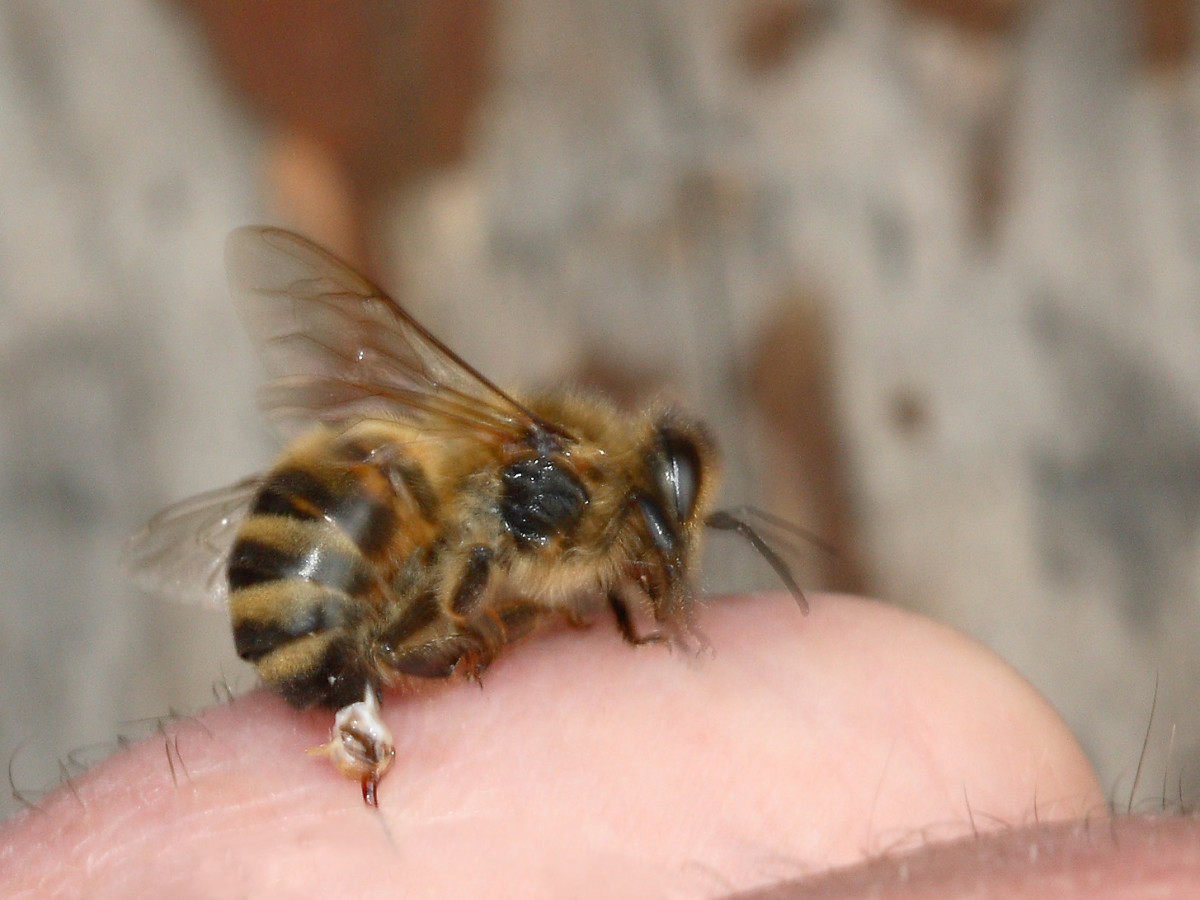
Bee stinging and leaving behind stinger
Bee stinging and leaving behind stinger | Source

How to Prevent Bee Stings

Worker honey bees sting for one reason: to protect the hive or themselves. Honey bees are usually not offensive animals; they sting if they are threatened. Simply letting the bee be, is your best course of action. The bee will eventually fly away, and you will be left without a sting and the bee will be back to its business of collecting nectar and pollinating your flowers. However, if you swat, hit, or step on the bee, it will most likely sting you. It is a natural defense mechanism.
Bees are fascinating animals. The hive works as one large superorganism; each bee has a job. Their role in the hive is predetermined by their age and what is occurring in and out of the hive. The bees that sting are either guard bees or forager bees. Bees near a hive sting to protect their home. Away from the hive, most bees will not sting if they land on you.
Beekeepers wear protective clothing for this reason. Guard bees protect the hive from intruders, whether they are a skunk or a human. Most beekeepers are not stung when they go in the hive because they take precautions. The two best defenses against bee stings are your protective clothing and smoke.

How does Smoke Prevent Bee Stings?

For a beekeeper, having a good smoker is a must. Smoke does two main things: causes bees to consume honey rather than defend the hive and masks alarm pheromones. When a bee smells smoke it goes into survival mode. It is no longer protecting the hive because the hive is on fire. It instead gorges itself on honey to ensure its survival when it is time to fly out of the hive to safety. Smoke will also mask the alarm pheromone that bees emit when they are under attack. When a hive is "under attack" guard bees will raise their abdomen and release an alarm pheromone called isopentyl acetate. This pheromone is also released when a bee stings inciting other bees to follow suit to protect the hive. This alarm pheromone chemical is also found in bananas; this is why stings sometimes smell like bananas and a reason to never bring a banana near a hive or eat one before entering a hive.

Why do Bees Die after they Sting?

Honey bees, worker honey bees to be exact, have barbed stingers. When a bee stings, its stinger is left in your skin as the bee flies away. Unless removed, the barbs in the stinger ensure that the stinger stays in your skin to release venom for the next 30-45 seconds. When the bee flies away, the stinger is ripped from the bees abdomen causing irreparable damage, and the bee will die.
Queen honey bees do not have barbed stingers so they will not die after they sting. They rarely leave the hive unless to mate or swarm, so it is incredibly unlikely to be stung by one.

Drone Bees, Stingers, and Mating

A drone bee's (male bee) only purpose is to mate with a Queen. Since they do not defend the hive, they do not have stingers. Drones will leave their hive to inseminate queens in an area called a Drone Congregation Area. They will fly 200 to 300 feet above ground attempting to inseminate a queen. While drone bees do not have stingers, their sexual organ is barbed. If they are one of the "lucky" ones to mate, they quickly die after mating because their sexual organ is left inside the queen and ripped from their body. The next drone to inseminate the queen must remove the last drone's sexual organ to inseminate her further. Queens will mate up to 12 times in their one mating flight from their hive.

My Story of Being Stung

When I was stung, I had just gone into my hive wearing my beekeeping gear and hood. I was not stung while tending the hive and was fine. Unfortunately, while 10 feet away from my hive, I took off my hood and a bee landed on my eyelid. Had I left the bee alone I probably wouldn't have been stung. Unfortunately, I swiped away at my eye before I thought about what I was doing and was stung in the eyelid. While the sting itself didn't hurt very much, the next few days were a bit uncomfortable.
Searching online, I wanted to know what my next few days after being stung in the eye would be like. Would the swelling get worse or better in the next few days? Would both of my eyes close? Would there be pain and itching? When would I be back to normal? Since there wasn't any information, I thought I would chronicle what happened to my eye after I was stung and the mistakes that I made that impeded my recovery. I hope the information provided helped in your recovery!

Recovering from a Bee Sting

A week after the initial bee sting to the eye, I was completely recovered. While the site of the sting never hurt, it was unnerving not to have the use of one eye for a day, and my equilibrium was off. The closest thing that I can equate it to is claustrophobia. Not being able to open your eye is a troubling feeling. The balance issues could have been due to the medications, but I did not feel completely myself for about six days after the sting. Getting stung is never fun, but if you want to be a beekeeper, there are definite advantages: honey! If you have been stung, please leave your feedback below to help others that are experiencing the effects of a bee sting.
Source: http://hubpages.com/animals/Bee-Stings-on-the-Eye